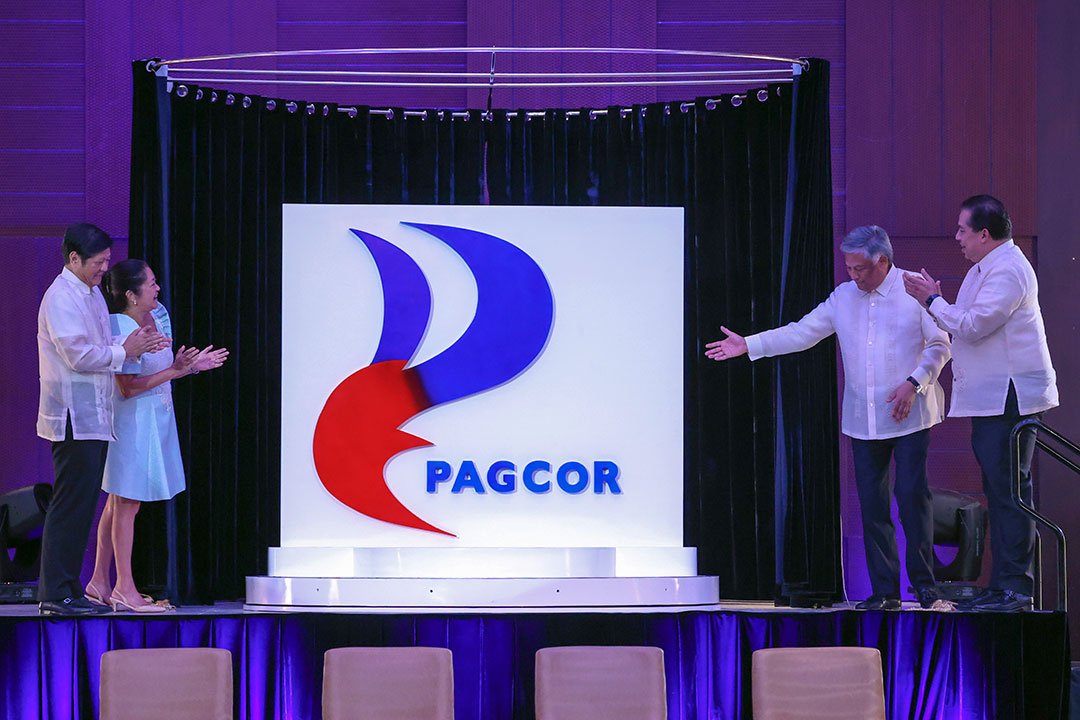
The Latest PAGCOR Regulations and What They Mean for Players
The Philippine online gambling industry has changed dramatically over the past few years. What used to feel like a loosely monitored space filled with aggressive bonuses and fast signups is becoming far more regulated, structured, and compliance-driven. Much of that shift comes from the Philippine Amusement and Gaming Corporation, better known as PAGCOR.
For players, these regulatory changes can feel confusing at first. Some people suddenly encounter stricter account verification requests. Others notice longer withdrawal processing times, more identity checks, tighter bonus conditions, or increased restrictions around payment methods. Meanwhile, illegal operators are facing greater pressure, and responsible gambling measures are becoming harder to ignore across the industry.
These changes aren’t happening randomly. PAGCOR is responding to rapid online gambling growth, increasing financial scrutiny, anti-money laundering obligations, and rising concerns around player protection. The Philippines has become one of Southeast Asia’s largest gambling markets, and regulators are trying to balance industry growth with stronger oversight.
For ordinary players, the biggest question is simple: how do these new PAGCOR regulations actually affect the gambling experience? The answer depends on where you play, how you deposit and withdraw funds, and whether the operator you’re using follows legitimate licensing requirements.
Why PAGCOR Regulations Matter More Than Ever
Online gambling in the Philippines has expanded far beyond traditional desktop casino websites. Mobile betting apps, e-wallet payments, live dealer games, crypto-based platforms, and influencer-driven casino marketing have pushed the industry into mainstream digital culture. That growth created enormous opportunities for licensed operators, but it also opened the door to scams, unregulated platforms, identity fraud, bonus abuse, and financial crimes tied to illegal gambling networks.
PAGCOR’s role has evolved alongside that growth. Years ago, many players viewed regulation as something that mainly affected casino operators behind the scenes. Today, regulation directly affects the player experience. Verification requirements, withdrawal approvals, betting limits, advertising restrictions, and even payment processing are increasingly tied to compliance systems.
One of the biggest reasons for stricter oversight is anti-money laundering enforcement. Gambling platforms move large volumes of money quickly, which makes them attractive targets for financial abuse if monitoring systems are weak. Regulators now expect licensed casinos to track suspicious betting activity, monitor unusual deposits and withdrawals, and verify customer identities more aggressively than before.
At the same time, responsible gambling concerns are growing. The accessibility of online casinos means people can gamble 24/7 from their phones, often using instant digital payments. PAGCOR has been under increasing pressure to show that licensed operators are actively protecting vulnerable players rather than simply maximizing revenue.
For players, stronger regulation creates both advantages and inconveniences. The experience may feel less frictionless than it did several years ago, but regulated environments generally offer better security, better dispute handling, and lower exposure to fraudulent operators.
The Biggest Recent PAGCOR Regulatory Changes Explained
Account Verification
One of the most noticeable changes involves account verification. Many online casino players in the Philippines now encounter stricter KYC, or Know Your Customer, procedures. Casinos increasingly request government-issued IDs, selfies, proof of address, and even payment verification documents before allowing large withdrawals.
This shift frustrates some players because it slows down access to winnings. However, regulators see it as essential for preventing identity fraud, underage gambling, multi-account abuse, and money laundering activity.
Betting Behavior Scrutiny
Another major development is increased scrutiny of suspicious betting behavior. Licensed operators are expected to monitor unusual transaction patterns, including rapid deposit cycles, irregular betting activity, and accounts linked to suspicious payment methods. Some players discover their withdrawals are placed under review after triggering automated compliance systems.
These reviews don’t always indicate wrongdoing. Sometimes perfectly legitimate users get flagged simply because their betting activity resembles known fraud patterns. Large wins after minimal betting activity, frequent account switching, or inconsistent payment information can all trigger additional checks.
Illegal and Offshore Operator Crackdown
PAGCOR has also intensified efforts against illegal and offshore operators targeting Filipino players without proper authorization. This matters because many unlicensed casinos continue marketing aggressively through social media, messaging apps, and affiliate networks. Some operate entirely outside Philippine consumer protection frameworks.
For players, the risk isn’t theoretical. Illegal operators can refuse withdrawals, manipulate games, disappear overnight, or misuse personal information without meaningful accountability. If disputes arise, players have limited legal recourse because the platform operates outside recognized regulatory systems.
Responsible Gambling Enforcement
Responsible gambling enforcement has become another major focus. Casinos increasingly implement self-exclusion tools, deposit limits, session reminders, and behavioral monitoring systems designed to identify potentially harmful gambling habits. Some operators now intervene when users display signs associated with compulsive gambling behavior.
Advertising Regulations
Advertising regulations are also tightening. Gambling promotions, influencer marketing campaigns, and bonus advertising now face greater scrutiny. Regulators are paying closer attention to misleading claims, irresponsible marketing language, and advertisements that may appeal to minors.
What These PAGCOR Rules Mean for Online Casino Players
For ordinary players, the most immediate impact often appears during withdrawals. Years ago, some online casinos processed withdrawals with minimal verification. Today, many PAGCOR-licensed casinos conduct detailed reviews before releasing funds, especially for larger payouts. This can extend processing times significantly.
Players who fail verification checks may encounter frozen withdrawals until documentation is completed. Casinos increasingly compare account names, payment details, device activity, and identification records to detect inconsistencies. Even something as simple as using someone else’s e-wallet account can create problems during compliance reviews.
This doesn’t necessarily mean casinos are trying to avoid payouts. In many cases, operators themselves face regulatory pressure to verify customer identities properly. Failing to follow AML requirements can expose casinos to penalties or licensing consequences.
The upside is that legitimate players gain stronger protections in regulated environments. Licensed casinos must comply with standards involving fair gaming systems, transaction monitoring, dispute handling, and data protection. While no regulatory system is perfect, regulated operators generally offer safer experiences than unlicensed platforms operating without oversight.
Players should also understand that stricter regulations affect bonuses. Many casinos now apply tighter verification procedures before allowing bonus withdrawals. Abuse prevention systems monitor duplicate accounts, unusual betting patterns, and bonus exploitation strategies more aggressively than before.
Some players interpret these checks as unfair restrictions. However, bonus abuse has become a major industry issue, particularly in markets with rapid online gambling growth. Operators are under pressure to detect fraudulent activity without harming legitimate customers.
How These Regulations Affect Bonuses, Promotions, and Payments
Bonuses remain one of the biggest marketing tools in online gambling, but regulatory scrutiny is changing how promotions work.
Account Verification
Many casinos now require full account verification before allowing players to withdraw winnings generated from bonus funds. This has become increasingly common due to fraud prevention concerns and regulatory compliance obligations.
Bonus Terms and Conditions
Terms and conditions are also receiving greater attention. Regulators want operators to present wagering requirements, withdrawal restrictions, and promotional limitations more transparently. Misleading bonus advertising creates reputational and compliance risks for licensed casinos.
Payment Systems
Payment systems are evolving, too. E-wallet services like GCash and Maya remain popular among Filipino players because of convenience and accessibility, but digital payment monitoring has intensified across the industry.
Transaction reviews, identity matching, and unusual activity detection are becoming more common. Players may experience delays if payment details don’t align correctly with registered account information.
Banks and payment providers are also becoming more cautious about gambling-related transactions, especially when suspicious activity indicators appear. This doesn’t mean gambling payments are banned, but compliance oversight is becoming increasingly integrated into the broader digital payment ecosystem.
Players using shared accounts, mismatched names, or inconsistent payment methods face higher risks of verification problems under modern compliance frameworks.
How PAGCOR Licensing Actually Protects Players
Many players see licensing logos at the bottom of casino websites without fully understanding what they represent. A PAGCOR license isn’t simply a marketing badge. It signals that an operator must comply with specific regulatory standards involving fairness, financial monitoring, and operational oversight.
Dispute Resolution
One of the most important protections involves dispute resolution. If a licensed casino behaves unfairly, players have a formal regulatory body connected to the operator. While complaint processes can still be frustrating, regulated casinos face accountability mechanisms that illegal operators simply ignore.
Fair Outcomes
Licensed casinos are also expected to use certified gaming systems designed to ensure fair outcomes. Regulators monitor compliance standards related to game integrity and operational transparency. Again, this doesn’t guarantee perfection, but it significantly reduces the risk of outright manipulation compared to unregulated platforms.
Financial Security
Financial security is another major factor. Licensed casinos typically operate within monitored payment ecosystems that require compliance with anti-money laundering standards. Payment providers, banks, and e-wallet companies increasingly cooperate with regulatory frameworks to reduce financial abuse.
This becomes especially important when dealing with personal data. Illegal operators may collect identification documents, banking details, and contact information without proper safeguards. Some scam casinos even use fake KYC requests to harvest sensitive information from players.
A legitimate PAGCOR-licensed casino has far more to lose from data misuse or fraudulent practices because regulatory violations can threaten its operating status.
The Growing Focus on Responsible Gambling in the Philippines
Responsible gambling used to feel like a small disclaimer hidden at the bottom of casino websites. That’s changing quickly. PAGCOR and licensed operators are placing greater emphasis on player protection tools, particularly as online gambling becomes more accessible through mobile devices and digital payments.
Self-exclusion systems are becoming more visible across regulated platforms. These tools allow players to restrict their own gambling access temporarily or permanently. Some casinos also provide deposit limits, session reminders, reality checks, and cooling-off periods designed to help users manage gambling behavior more consciously. Age verification has also become stricter. Licensed operators are under increasing pressure to prevent underage gambling through stronger identity checks during registration and withdrawal stages.
Another emerging trend involves behavioral monitoring. Modern gambling platforms increasingly use automated systems that analyze betting behavior for signs of risky activity. Rapid loss chasing, extreme deposit frequency, erratic wagering patterns, and prolonged gambling sessions may trigger intervention measures.
Some players find this intrusive, but regulators increasingly view proactive monitoring as part of modern gambling compliance. International regulatory standards are moving toward prevention-focused models rather than reactive enforcement after harm occurs.
The Philippines is gradually aligning with broader global responsible gambling practices, particularly as regulators attempt to strengthen the credibility of the country’s online gambling industry.
How to Identify a Legitimate PAGCOR Licensed Casino

One of the most important skills for Filipino players today is learning how to distinguish legitimate operators from illegal ones.
A proper PAGCOR-licensed casino should clearly display licensing information that players can verify independently. Legitimate operators usually maintain transparent terms and conditions, detailed responsible gambling policies, accessible customer support, and clear verification procedures.
Suspicious platforms often rely heavily on exaggerated marketing tactics. Unrealistic bonuses, guaranteed winnings, instant withdrawals without verification, and aggressive social media spam are common warning signs.
Players should also be cautious about casinos operating exclusively through messaging apps or unofficial channels. Scam operators frequently avoid transparent corporate branding and formal customer support systems.
Another major red flag involves payment handling. Legitimate casinos generally use recognized payment channels and verified transaction systems. Illegal operators may push users toward personal accounts, unverified crypto wallets, or unusual transfer methods that offer little protection if problems occur.
Reviewing licensing claims carefully matters because fake regulatory logos are surprisingly common in the online gambling space.
Will PAGCOR Regulations Continue to Get Stricter?
Current trends strongly suggest that regulation will continue tightening over the next several years. The online gambling industry is becoming more financially significant, more politically visible, and more technologically complex. Regulators face growing pressure to address fraud risks, responsible gambling concerns, financial crimes, and consumer protection issues simultaneously.
International anti-money laundering standards will likely continue influencing Philippine gambling regulations. As financial systems become more interconnected, local operators increasingly face expectations aligned with broader global compliance practices.
Crypto gambling could become another major regulatory battleground. Cryptocurrency casinos create additional challenges involving transaction traceability, offshore operations, and financial monitoring. Regulators worldwide are still figuring out how to handle decentralized gambling ecosystems effectively.
Players should expect:
- Stronger verification requirements
- Increased payment scrutiny
- Tighter advertising standards
- More responsible gambling tools
- Heavier pressure on illegal operators
While some users may miss the less restrictive environment of earlier online gambling eras, stronger regulation generally improves long-term market stability and player safety. For Filipino players, understanding these changes is becoming essential. Modern online gambling isn’t just about bonuses and games anymore. Regulation increasingly shapes everything from account registration to withdrawal approval and payment processing.
Frequently Asked Questions
Is online gambling legal in the Philippines?
Yes, online gambling is legal in the Philippines under specific regulatory frameworks. However, legality depends heavily on whether the operator holds proper authorization or licensing connected to PAGCOR. Illegal offshore operators targeting Filipino players without appropriate oversight remain a major concern.
Why are online casinos asking for more identification documents now?
Casinos are enforcing stricter KYC and anti-money laundering procedures. Operators now face greater regulatory pressure to verify customer identities properly, monitor suspicious activity, and prevent fraud, underage gambling, and financial crimes.
Can PAGCOR help players recover money from a casino dispute?
If the casino is properly licensed and regulated, players may have access to complaint or dispute resolution processes connected to PAGCOR oversight. Recovery isn’t guaranteed, but licensed operators face accountability mechanisms that illegal casinos do not.
Why are casino withdrawals taking longer than before?
Withdrawal reviews have become more detailed because casinos now conduct stronger compliance checks. Large withdrawals, unusual betting activity, mismatched payment information, or incomplete verification documents can trigger manual reviews.
Are offshore casinos legal for Filipino players?
This area can become complicated because many offshore operators market themselves aggressively to Filipino users despite lacking clear local regulatory approval. Playing at unlicensed platforms carries substantial risks involving withdrawals, data security, and dispute resolution.
Can GCash or Maya block gambling transactions?
Digital payment providers increasingly monitor transactions for compliance and fraud prevention purposes. Some gambling-related transactions may face reviews or restrictions depending on risk indicators, account activity, or regulatory requirements.
How can I verify if a casino is PAGCOR licensed?
Players should verify licensing claims through official operator information and avoid relying solely on logos displayed on casino websites. Scam operators sometimes use fake regulatory badges to appear legitimate.
What happens if I gamble at an illegal online casino?
Players using illegal operators face significantly higher risks involving unpaid withdrawals, rigged games, identity theft, fake bonuses, account disappearances, and a lack of legal protection if disputes occur.

Hristo (Christo to his friends) is a seasoned iGaming professional with 18 years experience building iGaming & Fintech products – Casino, Sportbook, Poker, Bingo, Social gaming and Fintech products gathered throughout his career in PokerStars, Winner.com, Playtech, Reflex Gaming. Strong knowledge and expertise in Marketing, Operations, Strategy building and business relationship management.