




PAGCOR accreditation is often treated as shorthand for a gaming company being "PAGCOR approved." The reality is more specific. The Philippine Amusement and Gaming Corporation regulates different participants in the gaming industry through licenses, accreditations, registrations, permits, and other forms of regulatory approval depending on what the business does. That distinction matters, particularly when you're trying to determine whether an online gaming platform operating in the Philippines is legitimate.
A logo on a website isn't enough. Neither is a screenshot of a certificate or a claim that a company is "PAGCOR accredited." PAGCOR has repeatedly warned the public about unauthorized websites using its name, logo, and fabricated documents to appear legitimate.
Understanding what PAGCOR accreditation actually means, and knowing how to verify a gaming platform through official sources, gives you a much better way to distinguish regulated Philippine gaming businesses from sites that are simply making regulatory claims.
What Does PAGCOR Accreditation Mean?
PAGCOR is the government-owned corporation responsible for regulating authorized gaming activities under its jurisdiction in the Philippines. Its regulatory structure covers casinos as well as electronic gaming, bingo, sports betting, poker, suppliers, gaming-related service providers, and other participants in the industry.
"PAGCOR accreditation" generally means that a particular entity has gone through an applicable PAGCOR approval process allowing it to perform a defined role within the regulated gaming ecosystem. That doesn't necessarily mean the accredited company itself holds a license to operate a casino or online gaming platform.
For example, PAGCOR provides separate application procedures for the accreditation of service providers, support service providers, and gaming affiliates. Its current application materials include dedicated forms for these categories.
A gaming affiliate might provide games or a gaming platform, while a support service provider may perform functions needed by regulated gaming operations. PAGCOR's framework covers services including payment solutions, marketing activities, know-your-customer processes, player membership systems, technical support, and customer service.
The practical lesson is simple: accreditation has to be understood in context. You need to know what entity has been accredited and what activity that accreditation authorizes.
PAGCOR Accreditation and a PAGCOR Gaming License Aren't the Same Thing
One of the easiest mistakes to make is using "accredited" and "licensed" interchangeably. PAGCOR's regulatory structure distinguishes between the two.
A gaming license authorizes an operator or gaming venue to conduct specified gaming activities subject to the applicable regulatory framework. PAGCOR's Electronic Gaming Licensing Department, for example, handles licensing and regulation of local operations involving activities such as traditional bingo, electronic bingo, electronic casino games, sports betting, specialty games, online poker, and numeric games.
Accreditation can instead apply to another business participating in that operation. PAGCOR's current regulatory materials separately cover Gaming System Administrators, Gaming Affiliates, Support Service Providers, and other participants. This allows PAGCOR to regulate not only the company directly offering gaming services to customers but also parts of the infrastructure supporting regulated gaming.
That distinction becomes especially useful when researching a casino brand. A platform shouldn't be assumed to be authorized to accept wagers from Philippine players merely because one of its software suppliers, payment partners, affiliates, or other service providers has PAGCOR accreditation.
For players, the more relevant question is usually: Is this particular gaming platform and domain authorized by PAGCOR?
What PAGCOR Reviews During the Accreditation Process
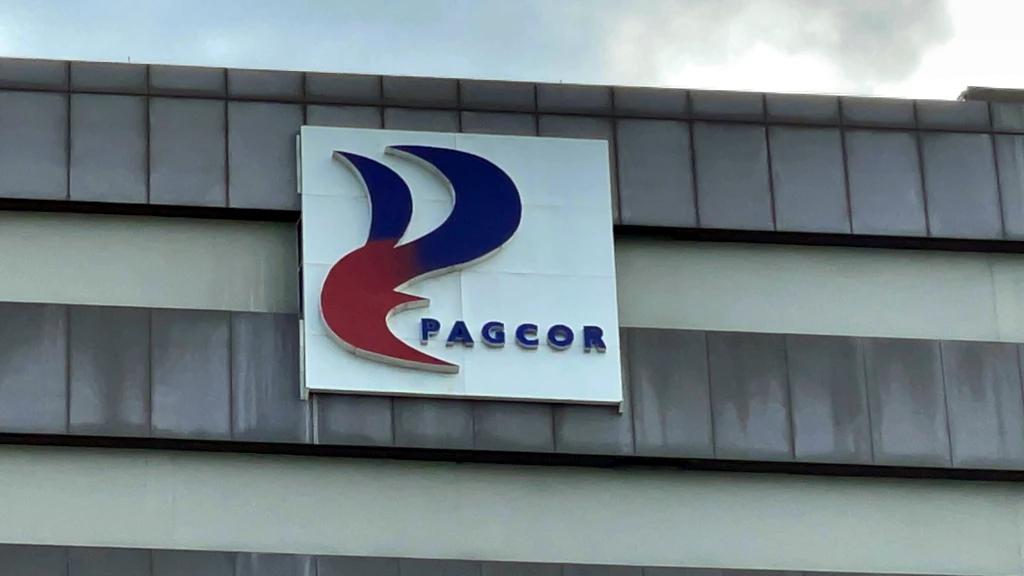
PAGCOR accreditation isn't simply permission to display the regulator's name. The requirements vary according to the type of applicant, but the process can involve corporate documentation, regulatory records, business information, ownership or management details, technical information, and probity checks.
PAGCOR's Gaming Affiliate application materials, for example, authorize the regulator to conduct extensive due diligence concerning the applicant and individuals identified in the application. The stated purpose includes establishing that the business is controlled and managed by people with appropriate integrity, competence, character, and financial standing.
Certain gaming affiliates also face requirements specific to what they provide. A Game Aggregator may need to submit information concerning partner game content providers, its game library, licenses from recognized regulatory bodies, endorsements, and previous partnerships. A Game Content Provider may be asked for information about regulatory jurisdictions in which its games are licensed, its existing games, and relevant endorsements.
PAGCOR's framework has continued to evolve. Amendments published in May 2026 address third-party probity checking for applicants and include specific treatment for BSP-supervised financial institutions applying as support service providers. Accreditation should therefore be understood as a regulatory status tied to defined requirements and activities, not a general endorsement of everything a company does.
Why PAGCOR Accreditation Matters to the Philippine Gaming Industry
Gaming platforms don't operate through a single piece of software. A regulated online operation can depend on gaming systems, game content, payment infrastructure, customer verification, marketing, technical services, and other third parties. If regulation stopped with the consumer-facing operator, significant parts of that ecosystem could sit outside the regulator's direct approval structure.
PAGCOR's accreditation framework helps extend oversight into these supporting functions. Its rules provide, for example, for accredited gaming affiliates and support service providers involved in game content, payment solutions, KYC processes, marketing, and technical or customer support.
Similar principles apply to physical gaming equipment. PAGCOR requires suppliers of gaming equipment and paraphernalia to enroll before supplying regulated operators, with the applicable rules establishing requirements around enrollment and operator accreditation.
For consumers, however, the existence of these different regulatory categories creates another reason to verify carefully. "PAGCOR accredited" can describe a legitimate regulatory relationship without necessarily establishing that a particular website is authorized to take your bets.
How to Verify a PAGCOR-Licensed Online Gaming Platform
The safest verification process starts outside the casino's own website. In June 2025, PAGCOR launched its PAGCOR Guarantee service specifically to help the public check whether online gaming providers are legitimate. PAGCOR described the service as a regularly updated reference for licensed internet gaming platforms under its oversight.
Instead of relying on a casino's footer, promotional materials, or certificate image, search for the platform using PAGCOR's own verification resources. Pay attention to the domain name, not only the brand. This matters because a legitimate brand name can be copied. A fraudulent website can imitate branding, use a similar URL, display the PAGCOR logo, and claim to hold the same regulatory status as a genuine operator.
PAGCOR has specifically warned about illegal gaming websites displaying fabricated license certificates and using its logo while claiming to be licensed or accredited.
Verification should therefore connect the operator or registered brand with the actual website you're visiting. PAGCOR's Electronic Gaming Licensing Department also publishes regulatory resources that include lists of accredited Gaming System Administrators and registered brands and domain names or URLs.
Why a PAGCOR Logo Isn't Proof of Accreditation
A PAGCOR logo can be copied as easily as any other image on the internet. That makes visual branding one of the weakest forms of regulatory verification.
The same problem applies to digital copies of licenses and accreditation certificates. A document may look official, contain a company name and reference number, and carry signatures or seals without actually being authentic.
PAGCOR demonstrated this risk in February 2025 when it warned about a fraudulent website pretending to issue gaming licenses and accreditations. The regulator said the site used fake forms and content and even contained a forged signature. PAGCOR emphasized that its legitimate official website is pagcor.ph.
The stronger approach is independent verification. If a casino says it's licensed by PAGCOR, confirm that claim through PAGCOR's own resources rather than clicking a supposed "verification" link supplied by an unfamiliar website. If you're checking an accredited service provider or gaming affiliate, use the relevant regulatory lists and documentation published by PAGCOR.
This breaks the circular verification problem where a questionable website effectively asks you to trust evidence that it supplied itself.
Check the Exact Brand, Company, and Domain
Online casino verification can become confusing because the name customers see isn't always identical to the legal company or regulatory entity behind the platform. A gaming company may operate a consumer-facing brand under a different corporate name. One regulated entity may also have approved brands and registered domains associated with its operation.
That's why searching only for a familiar casino name can produce an incomplete picture. When reviewing the regulatory status of a platform, compare the brand name, operating company where disclosed, and exact domain against PAGCOR's current records. PAGCOR's electronic gaming resources specifically include registered brands and domain names or URLs, making the website address an important part of verification rather than a minor technical detail.
Be particularly cautious with domains that differ from an authorized address by extra letters, numbers, hyphens, unusual subdomains, or different domain extensions. A familiar logo on a slightly different URL doesn't establish that you're dealing with the same regulated platform.
Offshore Gaming Claims Are a Major Red Flag
There's another distinction Philippine players need to understand: PAGCOR-regulated domestic gaming shouldn't be confused with the former Philippine offshore gaming industry.
Offshore gaming operations in the Philippines were banned, and PAGCOR states that all Internet Gaming Licensees and Authorized Providers associated with offshore gaming had their licenses cancelled effective December 15, 2024. The regulator warns that companies or gaming websites now claiming to hold valid PAGCOR offshore or internet gaming licenses are fraudulent and unauthorized.
PAGCOR has subsequently warned about websites continuing to claim that they are licensed or accredited for offshore gaming. This means a website claiming to be a "PAGCOR-licensed POGO" shouldn't be confused with a legitimate Philippine-facing online gaming platform operating under PAGCOR's current regulatory system.
When researching the regulatory status of an operator, look at the type of authorization being claimed, not merely the presence of the PAGCOR name.
PAGCOR Accreditation Doesn't Mean Gambling Is Risk-Free

Regulatory approval addresses legitimacy and compliance, but it doesn't remove the financial risks associated with gambling. A PAGCOR-authorized gaming operation still offers games where you can lose money. Licensing doesn't mean a game is profitable for the player, and accreditation isn't a guarantee that you'll win, recover previous losses, or make money over time.
PAGCOR maintains a Responsible Gaming Code of Practice for its operated and licensed entities. The framework is intended to reduce gambling-related harm, prevent gambling addiction, and prohibit underage gambling.
Philippine gaming is restricted to people aged 21 and above, and PAGCOR also identifies additional categories of people who aren't permitted to gamble, including individuals recorded in the National Database of Restricted Persons.
For players, regulatory verification should therefore be the starting point rather than the entire safety assessment. You still need to set spending limits, understand the games you're playing, avoid chasing losses, and treat gambling as entertainment rather than income.
What to Do When You Can't Verify a PAGCOR Claim
If you can't independently confirm a website's regulatory status, don't treat the absence of evidence as a minor technical issue.
Don't deposit money simply because customer support sends you a license screenshot. Don't rely on social media advertisements claiming that a platform is "PAGCOR verified." And don't assume that a PAGCOR logo proves that the website displaying it is connected to the regulator.
Start with PAGCOR's official regulatory resources and PAGCOR Guarantee. If the information remains unclear, you can contact the relevant PAGCOR regulatory department directly. PAGCOR publishes contact information for departments including Gaming Licensing and Development and Electronic Gaming Licensing on its regulatory website. That extra verification is especially worthwhile before submitting identity documents, connecting a payment account, or depositing a significant amount of money.
PAGCOR Accreditation Is Most Useful When You Know What You're Verifying
PAGCOR accreditation provides regulatory oversight for important participants in the Philippine gaming ecosystem, but the term shouldn't be treated as a universal seal that means every associated website or service is licensed to offer gambling.
Operators, gaming venues, Gaming System Administrators, Gaming Affiliates, Support Service Providers, and suppliers can fall under different regulatory processes. Understanding those distinctions makes it easier to interpret claims about PAGCOR accreditation accurately.
For players, verification should focus on the specific gaming platform they're considering using. Check PAGCOR's official records, confirm the registered brand and exact domain where applicable, and use PAGCOR Guarantee for licensed internet gaming platforms rather than relying on logos or certificates supplied by the casino itself.
PAGCOR accreditation is valuable because it creates a traceable regulatory relationship. The protection comes from verifying that relationship through the regulator, not simply trusting a website that claims it exists.