The Relationship of Gaming and Mental Health in the Philippines
Gaming has become an integral part of modern culture, offering entertainment, social interaction, and even opportunities for learning and skill development. However, as gaming continues to rise in popularity, concerns about its impact on mental health have also emerged, particularly in countries like the Philippines where gaming is deeply ingrained in society.
In this article, we delve into the intricate interplay between gaming and mental health in the Philippines, examining both the positive and negative effects while also exploring strategies for promoting mental well-being within the gaming community.
Gaming Culture in the Philippines
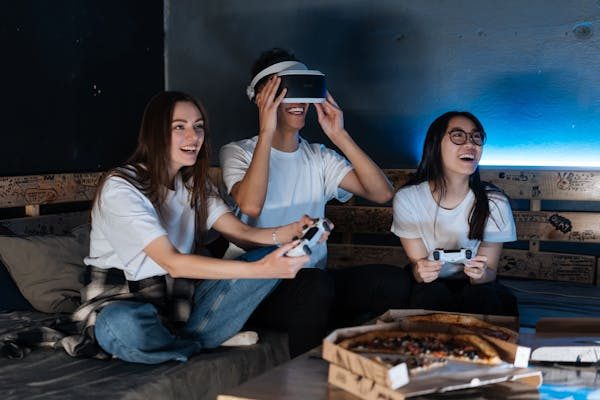
The Philippines boasts a vibrant gaming culture, with a diverse array of gaming platforms enjoyed by people of all ages. From the bustling internet cafes dotting urban centers to the cozy living rooms filled with consoles and PCs, gaming has become a ubiquitous pastime for many Filipinos. Mobile gaming, in particular, has witnessed a meteoric rise, thanks to the widespread availability of smartphones and affordable data plans.
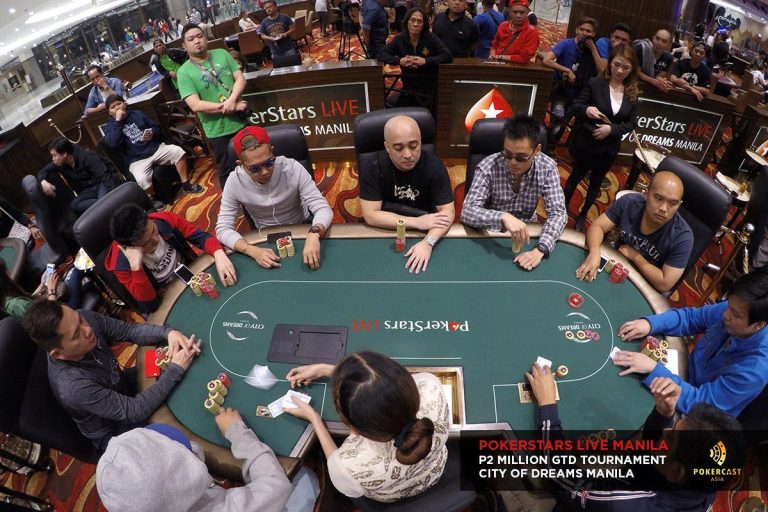
Despite its popularity, gaming in the Philippines is not merely a form of entertainment; it’s a cultural phenomenon that transcends borders and bridges social divides. Whether competing in esports tournaments or embarking on epic adventures with friends, gaming serves as a communal experience that fosters camaraderie and connection among players.
Positive Effects of Gaming on Mental Health
Contrary to prevailing stereotypes, gaming can have positive effects on mental health, offering an escape from the stresses of daily life and providing a sense of accomplishment and fulfillment. In the Philippines, where the pressures of work and school can be particularly intense, gaming serves as a welcome respite for many individuals.
Moreover, gaming facilitates social interactions, allowing players to forge friendships and build supportive communities both online and offline. In a country as diverse as the Philippines, where geographical barriers often hinder face-to-face interactions, gaming serves as a unifying force that transcends distance and cultural differences.
Additionally, research suggests that gaming can have cognitive benefits, enhancing problem-solving skills, spatial awareness, and multitasking abilities. In a study conducted on Filipino gamers, researchers found that regular gaming was associated with improved cognitive function, particularly in tasks requiring rapid decision-making and strategic thinking.
Negative Effects of Gaming on Mental Health
Despite its many benefits, gaming can also have detrimental effects on mental health, especially when indulged in excessively or irresponsibly. In the Philippines, where gaming addiction is a growing concern, prolonged gaming sessions can lead to sleep disturbances, academic or occupational problems, and strained relationships with family and friends.
Moreover, the sedentary nature of gaming can take a toll on physical health, contributing to obesity, cardiovascular issues, and musculoskeletal disorders. In a country grappling with rising rates of lifestyle-related diseases, the need to promote physical activity and healthy living habits among gamers is more pressing than ever.
Furthermore, gaming-related mental health issues, such as depression, anxiety, and social withdrawal, have been reported among Filipino gamers. While not all gamers experience these problems, it’s essential to recognize the warning signs and provide appropriate support and intervention when needed.
Addressing Mental Health Concerns in the Gaming Community
To mitigate the negative impact of gaming on mental health, proactive measures must be taken to promote responsible gaming practices and prioritize mental well-being within the gaming community. In the Philippines, various initiatives and organizations are working towards this goal, offering resources, support, and advocacy for gamers struggling with mental health issues.
Mental health awareness campaigns targeted specifically at gamers can help debunk myths and stigma surrounding gaming and mental health, fostering open dialogue and encouraging individuals to seek help when needed. Moreover, integrating mental health education into gaming communities and platforms can empower players to make informed decisions about their gaming habits and prioritize self-care.
Parents, educators, and policymakers also play a crucial role in supporting mental health in the gaming community. By fostering a supportive environment at home and in schools, parents can help children develop healthy gaming habits and balance their screen time with other activities. Similarly, policymakers can enact regulations and guidelines to promote responsible gaming practices and ensure access to mental health services for gamers in need.
Understanding Gaming and Mental Health

The relationship between gaming and mental health in the Philippines is multifaceted, encompassing both positive and negative aspects. While gaming offers numerous benefits, including stress relief, social connection, and cognitive stimulation, it also poses risks to mental well-being when indulged in excessively or irresponsibly.
By raising awareness, promoting education, and fostering support networks, we can work together to create a gaming culture that prioritizes mental health and well-being for all players. In doing so, we not only enhance the gaming experience but also contribute to the overall health and happiness of individuals and communities across the Philippines.

Hristo (Christo to his friends) is a seasoned iGaming professional with 18 years experience building iGaming & Fintech products – Casino, Sportbook, Poker, Bingo, Social gaming and Fintech products gathered throughout his career in PokerStars, Winner.com, Playtech, Reflex Gaming. Strong knowledge and expertise in Marketing, Operations, Strategy building and business relationship management.