




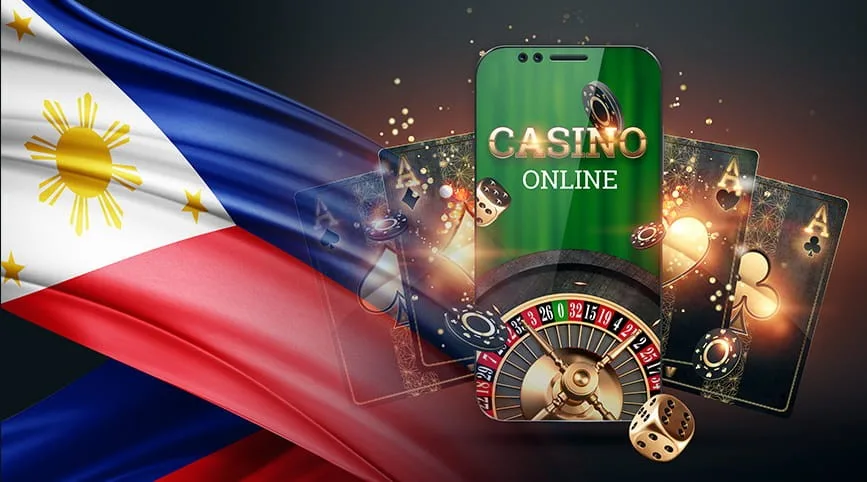

Gambling is a popular activity worldwide, and in the Philippines, it holds a unique place within the economy and culture. With casinos, lotteries, online betting, and other gaming opportunities, the gambling industry here is extensive and complex, involving various games, regulations, and operators.
This article explores what gambling entails, the types of gambling available in the Philippines, the legal framework governing it, and its social and economic impacts on Filipino society.
What is Gambling?
Gambling is wagering money or something of value on an uncertain event to win more money or material goods. The appeal of gambling lies in the thrill of taking risks and the hope of winning large payouts. Games of chance are standard, as they rely heavily on luck, while games of skill, like poker, incorporate strategy elements.
Typical forms of gambling include casino games like slot machines, poker, blackjack, and roulette, as well as lotteries and sweepstakes, where participants buy tickets for a chance to win large cash prizes. Sports betting is another form often seen in the Philippines in basketball, boxing, and cockfighting. Additionally, online gambling is growing, with access to casino-style games, sports betting, or lotteries through the Internet.
The Landscape of Gambling in the Philippines
The Philippines is one of the few Asian countries where gambling is legal and highly regulated. Due to its significant revenue-generating potential, the government allows various forms of gambling under the oversight of specific regulatory bodies, and the country has become an essential player in both local and international gaming markets.
Types of Gambling in the Philippines
Casinos are standard, especially in major cities like Manila and Cebu, and integrated resorts like Okada Manila, City of Dreams, and Solaire Resort and Casino are popular destinations that offer a full range of casino games. The LThePhilippine Charity Sweepstakes Office (PCSO) manages lotteries and sweepstakes with national lotteries like the Lotto 6/42 and Ultra Lotto 6/58, attracting millions of participants. Revenue from these lotteries helps fund health and social welfare programs.
E-Sabong, or electronic cockfighting, brings traditional cockfighting online, allowing people to bet on cockfights remotely. However, this form of gambling has faced regulatory challenges and controversies in recent years. Online casinos and Philippine Offshore Gaming Operators (POGOs) have proliferated. POGOs are licensed to serve non-Filipino players, primarily in mainland China, but the industry has faced issues with regulation, labor practices, and tax compliance.
How is Gambling Regulated in the Philippines?
Two key organizations primarily regulate the Philippine gambling industry. The Philippine Amusement and Gaming Corporation (PAGCOR), a government-owned corporation, oversees most gambling activities within the country, including licensing and operation of casinos. It also runs some of its gaming facilities, with some revenue to fund social and community programs.
The Cagayan Economic Zone Authority (CEZA) regulates gambling activities within the Cagayan Special Economic Zone, including some online gaming operators. However, operators here generally target foreign clients rather than the local market. The Philippine Charity Sweepstakes Office (PCSO) handles lotteries and sweepstakes, with a portion of the earnings allocated to charity.
Regulations and Policies
Strict regulations are in place for local gambling. For example, Filipinos are generally prohibited from gambling in foreign-run casinos, although they can legally gamble in PAGCOR-owned or licensed establishments. Additionally, age restrictions (18 or 21, depending on the type of gambling) are enforced, and operators are required to ensure compliance to prevent underage gambling.
Controversies and Challenges
Despite the structured regulation, the gambling industry in the Philippines has faced challenges, such as issues with taxation. The government has periodically re-evaluated taxes on gaming operators, especially on POGOs, due to tax compliance issues. Labor practices have also been a concern, with POGOs employing many foreign workers and facing problems with work permits and labor compliance.
The social impact of increased gambling accessibility, primarily through online platforms, has raised concerns about addiction and its effects on families and communities.
Economic and Social Impacts of Gambling in the Philippines
The gambling industry in the Philippines has significant economic impacts, contributing billions in revenue annually. PAGCOR and PCSO alone contribute a substantial portion of their earnings to fund public services, healthcare, and education programs.
On the other hand, there are social concerns regarding gambling’s potential downsides, including addiction and financial strain on low-income gamblers. To address this, regulators have implemented responsible gambling initiatives, such as helplines and public awareness campaigns, to mitigate gambling addiction and promote safe gambling practices.
The Future of Gambling in the Philippines
The gambling industry in the Philippines is set to continue growing, with further development of casino resorts and the potential expansion of online gambling platforms. However, ongoing regulatory adjustments and debates, particularly around POGOs and online gambling, will shape the future landscape of the industry.
As the Philippines navigates the balance between economic benefits and social responsibilities, gambling will likely remain a complex, heavily regulated sector with an eye on both profit and public welfare.
Balancing Entertainment and Responsibility in the Filipino Gambling Scene

Gambling in the Philippines is a multi-faceted industry deeply embedded in the country's economy and culture. Through a blend of regulatory oversight and economic opportunity, the industry has managed to thrive while aiming to protect the welfare of Filipino citizens. Understanding the structure, regulations, and impacts of gambling in the Philippines provides insight into how the nation approaches this high-stakes, high-reward sector.